Reading
Books from 2023 onwards. Click a cover to read my notes.
Non-Fiction

Empire of AI
2026
 notes
notesCareless People
2025
 notes
notesMother Mary Comes to Me
2025

Essays in Love
2025

Why We Sleep
2025

Reborn
2025

The Dream Machine
2025
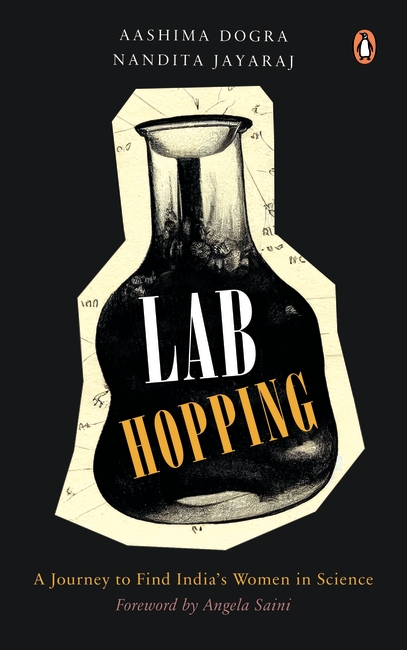
Lab Hopping
2025

Intimations
2025
 notes
notesIn Other Words
2024
Bird by Bird
2024

Trick Mirror
2024
Karen Hao's deeply reported account of OpenAI, from its idealistic origins to its transformation under Sam Altman. A National Book Critics Circle Award winner that reveals the human and environmental costs behind the AI race.
"It turns out the people running the world's largest social network weren't just calculated — they were often just careless."
An appalling first-hand look at the "move fast and break things" era of Facebook. It might not surprise you with new revelations about how Meta operates, but it is revolting to read about the sheer level of incompetence and genuine lack of care of the people at the top when the question is between impact on real humans versus the effect on these tech giants' bottom lines.
Wynn-Williams also dives into Sheryl Sandberg's brand of corporate feminism, and how in practice, the Lean In philosophy clashed directly with the reality of corporate self-interest within Meta itself. A must-read for anyone interested in tech policy, even if the writing occasionally lacks the depth I'd have appreciated more of.
"I learned that day that most of us are a living, breathing soup of memory and imagination — and that we may not be the best arbiters of which is which."
I devoured this book in two days, between moving things for housewarming, with the sort of intensity that my teen self had had that my current self has not displayed in years. There are two authors that I hold really close to my heart, and one of them is Arundhati Roy. I'd forgotten that she was not just any Indian author, that she was a Malayali who lived most of her adult life in Delhi, so the references in Malayalam, the locations in Delhi, added another layer of familiarity. I loved the rare insights into her closely guarded private life as much as I did learning about the creative processes behind most of her works. I had also forgotten that she could be equally as hilarious as she was intelligent, as vulnerable as she was ferocious — and that a writer could do all of this with the most deceptively simple-looking sentences possible.
A book that I felt very strongly about while reading it the first time in 2024, and one that has continued to stay with me since. In Other Words is an answer to why Jhumpa Lahiri abandoned writing in the English language (as a Pulitzer-winning author, might I add!) and her journey towards making Italian her own.
Her attempt to adopt the language felt like it mirrored the struggle many of us face, born into our mother tongues, as we sought (and continue to seek) to make English our home. Through her efforts to write in Italian, Lahiri examines the fundamental experience of extracting words from the difficult-to-describe realm of feeling and giving them material form on the page. This is something that would echo with everyone who has ever tried to express themselves and found their vocabulary heavily lacking.
Ultimately, In Other Words serves as Lahiri's personal "Why I Write." Wholeheartedly recommend this to people who love words, and are obsessed with picking the right ones.
Fiction
 notes
notesOur Friends in Good Houses
2025
 notes
notesMinor Detail
2025

White Nights
2025
I was drawn in by the title more than anything else. It stood out to me one day at Bahrisons: a novel from the perspective of a guy seeking "quiet anchorage" in short-term dwellings, while navigating an uncertain life (like all of us planted into metropolitan cities, away from our home towns).
I'm extremely conflicted about how I feel about this book. While I relate to the longing for a permanent solid ground that the author conveyed in very relatable prose, the narrative frequently shifts heavily into the protagonist's life as an investigative journalist in war zones. Worse, the text is thick with condescension for anyone the author-protagonist deemed beneath him. It's hard to stay invested in a search for "solid ground" when the narrator is too busy looking down on everyone else.
Despite being just around roughly more than a hundred pages, it took me close to a year to complete this book: the first half is haunting and tells with excruciatingly mundane detail something that happens to a female prisoner of war — which by itself wouldn't have stood out to the narrator when she comes across it in passing 25 years later, if not for a minor detail. The second part — written in what feels like a stream of consciousness as the narrator looks into the incident by retracing borders physically and emotionally — feels real, frantic, and finally, gut punching.